

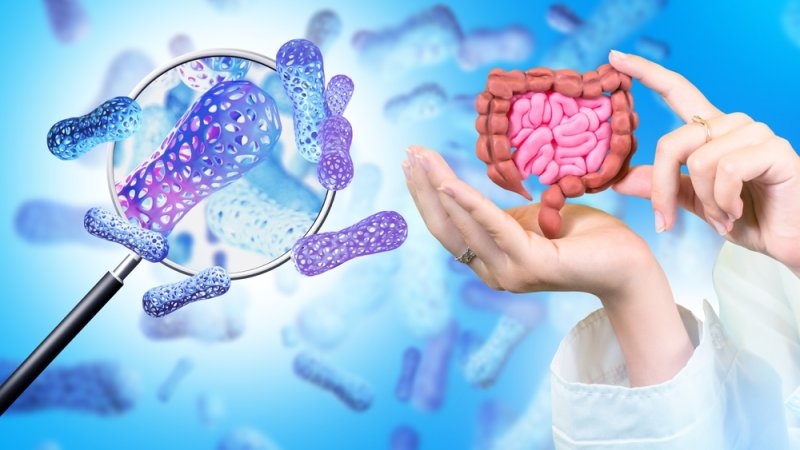
The wellness of the human gut is a significant consider a large aspect of human wellness. Though many are aware of the digestive advantages of getting a flat abdomen, you may be quite surprised to learn about its benefits for nutrient absorption, as well as its capacity to boost immunity and affect our state of mind.
You can dramatically strengthen the health of your gut and achieve a great sense of well-being with even minor tweaks to diet as well as day-to-day routines.
The colon impacts various regions of health, more than just digestive health - we get directly associated with our immune system, our brain, and our metabolism. Having balanced and healthy microbial Flora can help us use foods a whole lot more efficiently, and also protect us from detrimental bugs. This promotes efficient digestion and helps to reduce the amount of inflammation in the body.
Most of the time, people don’t even think about their digestive system until something has gone wrong. However, looking after your gut on a day-to-day basis helps to make the above issues a non-event.
Your gut offers more advantages to the rest of your body when it's functioning optimally.
Healthy bacteria can assist in the digestion of food, boost nutrient intake, and promote regular bowel movements. Good digestion improves bloating, constipation, and gas, and reduces discomfort after meals. Digestive health may also promote better absorption of vitamins and minerals from food.
Most of our immunity is tied to our digestive tract; beneficial bacteria prevent the growth of harmful bacteria and support our natural immunity. Through having a diet suited to our gut health, we are able to boost the body's immunity.
The digestive system is linked with nutrient production and with our brain by the gut-brain link. This might mean more energy, less fatigue, better sleep, and increased happiness from a healthy gut microbiome.
Recommended Article: How to Track Your Heart Health Metric for a Long Life
Your body usually has signals that say that your gut is unhappy. Although it is completely normal to have the occasional stomach upset, if you suffer symptoms frequently, it might mean something is wrong.
If you begin to notice these, keep track for several weeks and, if they persist, a visit to your GP may be beneficial to maintain the health of your digestive system.
Healthy food for gut health encourages beneficial bacteria growth and digestion.
Beans, whole grains, fruit, seeds, nuts, and vegetables are all good for your gut as they all contain fiber to feed good bacteria. By eating a diet of fiber-rich foods, you will not only benefit your gut health, but improve digestion as well as support your healthy gut microbiome.
Yogurt and other foods such as kefir, kimchi, sauerkraut, and miso contain naturally occurring probiotics. Eating one of these foods several times per week could really boost your gut wellness and support your healthy gut microbiome.
Apples, berries, bananas, spinach, and apples are bursting with vitamins, minerals, plant compounds, and antioxidants that aid your digestive health and overall well-being.
Healthy fats include: olive oil, avocado, nuts, seeds, and fish. This can help to reduce inflammation in the body, while improving digestion and boosting your long-term gut health.
It's important to drink water as it can help food travel through your digestive tract, as well as aid digestion when mixed with fiber. A lack of water can sometimes be a factor in digestive health concerns.
Besides being mindful of healthy foods, everyday living is also important. The healthy habits you have or don't make a positive or negative contribution to the microbes within.
While not a fully functioning pancreas just yet, this gut-friendly regime will start getting your good gut bacteria back, thereby strengthening immunity, getting digestion to feel less complicated, putting fuel back in your energy tank, and improving your mood all in one tidy bundle of digestive delight.
Your gut flora is a key player in overall health. Providing these micro-organisms with nourishment and lifestyle support, you really won’t believe the lasting change it has on your overall health.
Yes. While antibiotics may clear bad bacteria, it also removes good bacteria from the healthy gut microbiome. Consuming gut health food after your course and following your doctor’s guidance would promote a stronger digestive health system.
Generally speaking, 25 to 38 grams per day will serve adults well, but it depends on gender and age. Incorporate plenty of gut health foods rich in fiber to benefit and support your body’s digestive system.
Everyone is different. Most individuals don’t need to worry, and moderate amounts of coffee can offer antioxidant benefits. Too much coffee may cause tummy issues.
Yes. Regular aerobic exercise allows for your food to pass down your GI tract smoothly and also helps grow a happy, healthy microbiome. Go for a brisk walk or jog, swim, cycle, or even try lifting weights!.
Totally. A kid’s healthy and strong gut microbiome can be strengthened and nourished with adequate exercise, enough agua (water), plenty of produce, and a variety of fruit and vegetable intake.
This content was created by AI